clamcleat.com uses cookies to ensure we give you the best experience on our website. By navigating our site, you agree to allow us to use cookies, in accordance with our Privacy Policy

Helpful Hints

Helpful hints for fixing cleats. This page contains 21 hints
Drilling
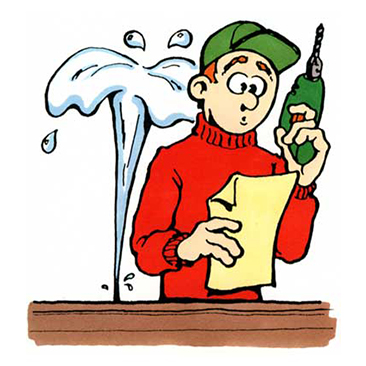
Time and care taken to ensure cleats are positioned correctly with good rope alignment will help systems work their best. Double check before you drill that first hole!
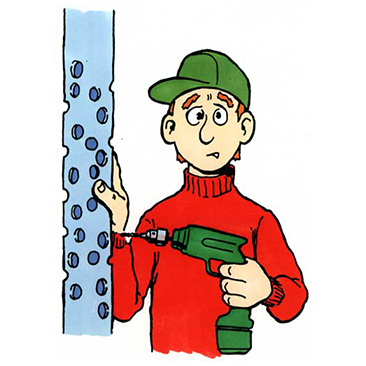
When fixing a cleat on a spar, too many holes in a small area will weaken the spar. Always drill as few holes as possible.
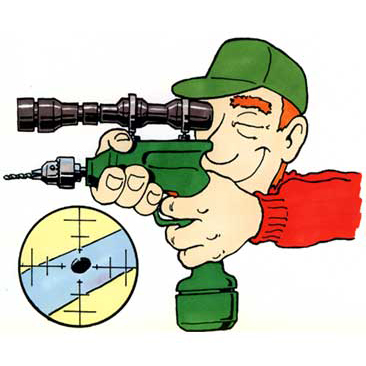
Mark positions of all holes accurately before letting rip with a drill. Self-tapping screws are quick and easy to remove. Pop rivets are useful where screw holes in spars are stripped or oversize.
Glueing and Varnishing
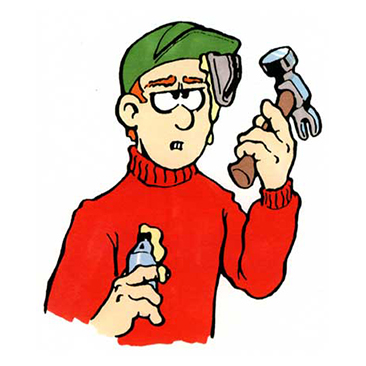
For extra strength, use a marine adhesive as well as bolts. Be warned, it may be almost impossible to remove a fitting!
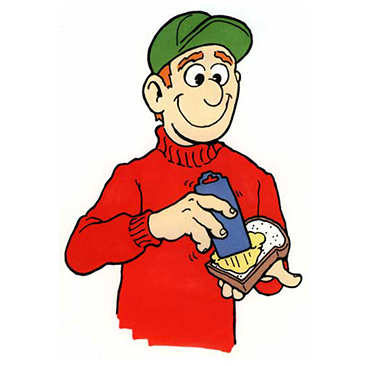
Recycle our retail cards by using them as glue and resin spreaders. They are also ideal for mixing epoxy on. Once the resin is set, just bend the card to crack off any surplus.
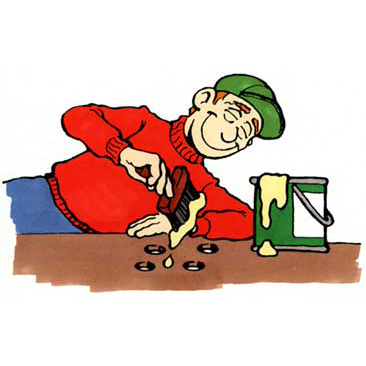
Seal holes, or slots for sheave boxes with varnish or epoxy to stop water penetration into the laminate. Where the slot is in wood, it will stop discolouration.
Cutting Bolts and Screws, Checking Drill Size
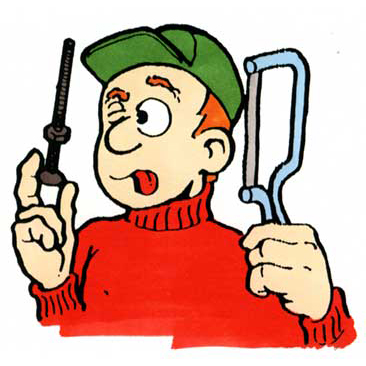
Before cutting a bolt to length, thread on the nut, then cut off the surplus and file off any sharp edges. Unthreading the nut will remove any roughness and ensure that the nut will go back on again.
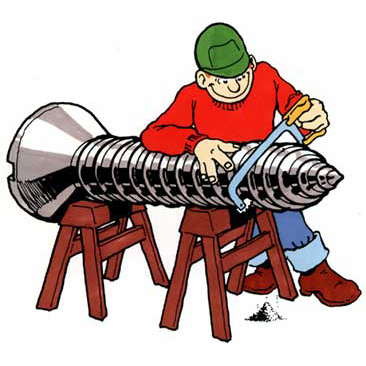
If pointed or over-long self tappers have to be used, tap the screw into the hole but don't tighten it. Withdraw the screw, cut it to length and remove sharp edges. Now drive it into the tapped hole and tighten. Short screws are less likely to chafe internal halyards.
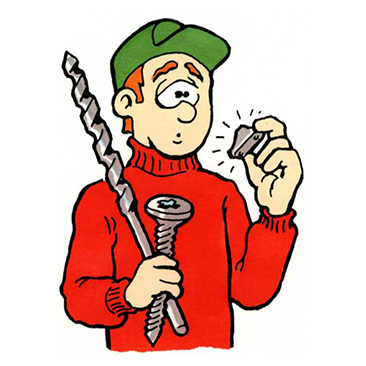
Don't forget to check that drill size and fasteners match the cleat. See the packaging for recommended sizes.
Spars

Most Clamcleat® rope cleats have radiused bases so they can be fixed firmly to round spars. Cleats for halyards or spinnaker pole uphauls can often be fixed right over the exit hole in the mast, which is neat and tidy.
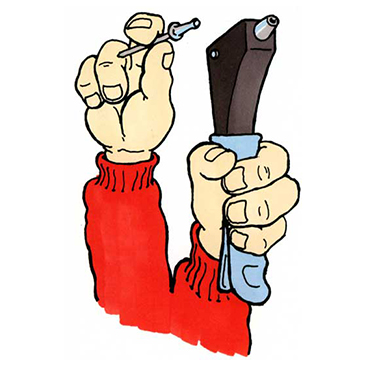
When working on spars, use a Pop rivet gun that will rebound from the job when the mandrel breaks.
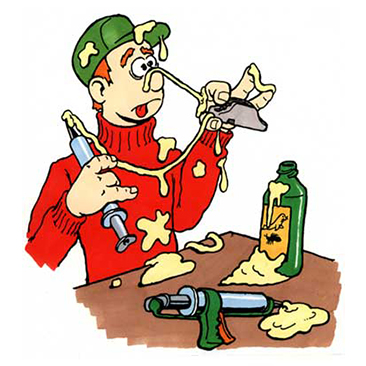
On metal spars, always put zinc chromate paste or silicone bath sealant on all stainless steel fastenings. This will prevent electrolysis between steel and aluminium, which causes corrosion in salt water.
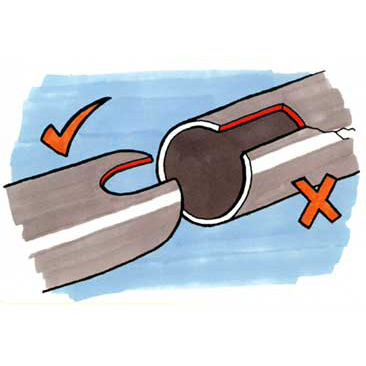
Slots in spars should have round corners as square corners may lead to cracks appearing.

If a standard rivet gun does not fit into a cleat, put 2 or 3 nuts on the rivet mandrel for the standard nozzle to pull against. See CL211 MK2 installation drawing for more details.
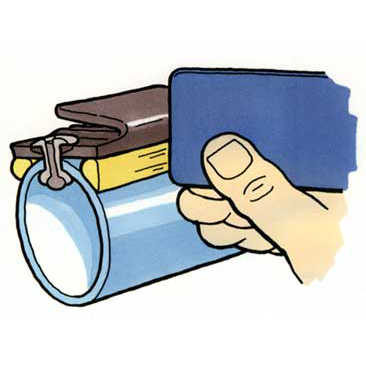
When fitting a flat cleat onto a round tube, a couple of beads of hard sealant will make a curved platform so that the cleat does not rock. Mask the area and smooth with a retail card for a neat appearance.
Fixing Tips
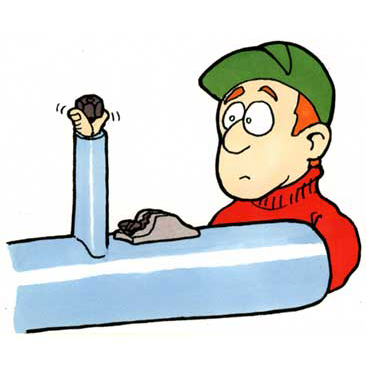
Where access to nuts is limited, check you can reach the bolt. If it is beyond arm's reach, try sticking the nut onto a sail batten with tape or Blue Tack.
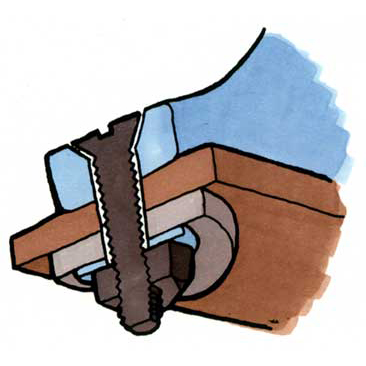
Fix high-load fittings, preferably with bolts, to reinforced areas, or spread the load with a backing plate. To help prevent corrosion between an alloy cleat, metal fixings and alloy spars:- Use a bedding compound or sealant around the fixings and between the cleat and the spar.
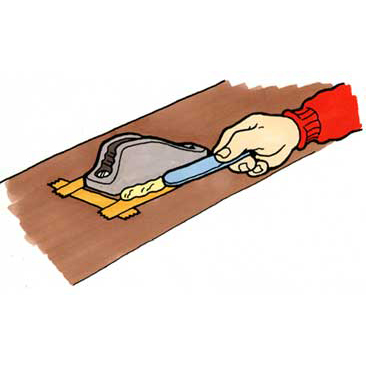
To maintain the integrity of a buoyancy tank, always use a bedding compound under the cleat and around the fixings. Mask round the area to stop the sealant spreading and smooth with a wooden spatula or blue retail card.
Checking Correct Alignment
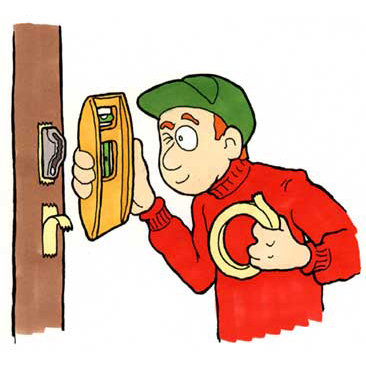
Double-sided tape can be used to position fittings temporarily, for example to check correct alignment.
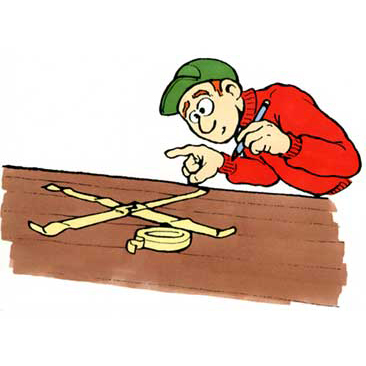
Use masking tape to mark the position of holes to be drilled and to prevent surface damage if the drill bit slips. Drill a pilot hole, check it's in the right place and then enlarge it. If not, a small hole is easier to fill than a large one.
When you have finished, the fittings should be just where you want them, well secured and looking good.
Cartoons by James Falvey
Q: Does Clamcleat® have helpful hint information for all of their cleats?
Ans: Clamcleat® have a helpful hint information section on the website, see attached.
